
- Home
- Blog
- Sure! Please provide the original title or the news content related to Energy Recovery Ventilation, and I’ll help rewrite the SEO title without the brand name.
Sure! Please provide the original title or the news content related to Energy Recovery Ventilation, and I’ll help rewrite the SEO title without the brand name.
By:Admin
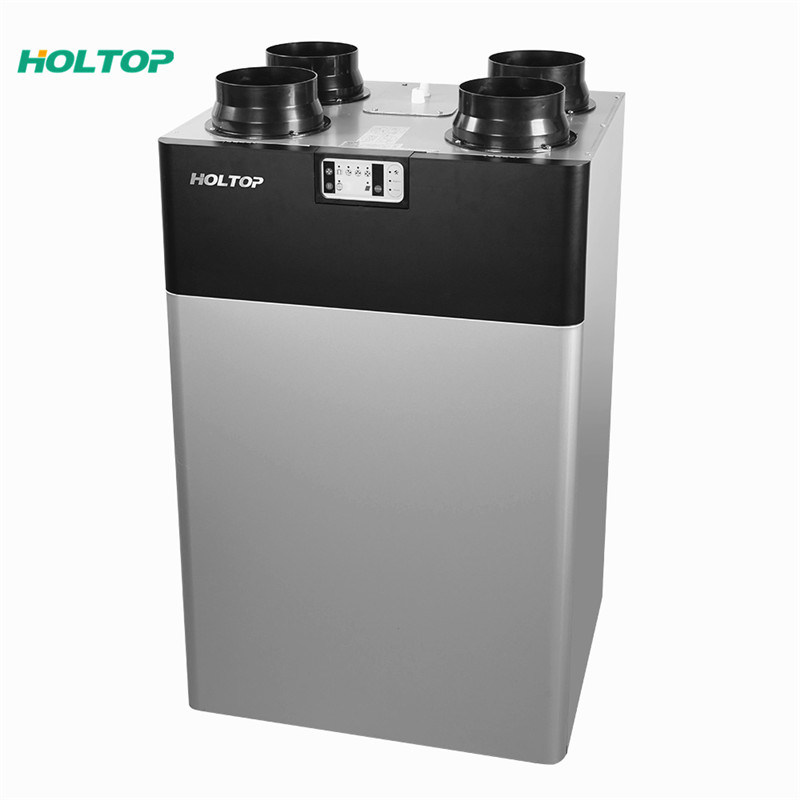
In recent years, the growing emphasis on energy efficiency and indoor air quality has propelled the adoption of advanced ventilation technologies across residential, commercial, and industrial sectors. Among these technologies, Energy Recovery Ventilation (ERV) systems have emerged as a vital solution designed to improve indoor environments while reducing energy consumption. Leveraging the principles of heat exchange, ERV systems effectively balance fresh air intake with heat recovery, ensuring optimal ventilation without unnecessary energy waste.
### Understanding Energy Recovery Ventilation
Energy Recovery Ventilation systems function by exchanging the energy contained in exhaust air from a building with the incoming fresh air. This exchange process allows the system to capture heat from outgoing air during colder months, preheating the incoming air without additional heating energy. Conversely, during warmer months, the system helps to cool and dehumidify incoming air by transferring heat to the exhaust air stream. The result is a more controlled and efficient ventilation process that reduces the load on heating, ventilation, and air conditioning (HVAC) systems.
Unlike traditional ventilation approaches that often result in significant energy loss, ERV technology ensures both energy conservation and continuous supply of fresh, filtered air. This balance plays a crucial role in maintaining comfortable and healthy indoor environments, especially in tightly sealed modern buildings where natural air leakage is minimal.
### Advantages Driving Adoption
The widespread adoption of ERV systems can be attributed to multiple benefits that align with evolving industry standards and environmental goals:
1. **Energy Savings and Reduced Operating Costs:** By recovering heat or coolness from exhaust air, ERVs minimize the energy required for conditioning incoming fresh air. This leads to substantial reductions in utility bills and carbon footprints.
2. **Improved Indoor Air Quality:** ERVs facilitate constant ventilation, ensuring continuous inflow of fresh air while filtering pollutants, allergens, and humidity. This is particularly beneficial in schools, healthcare facilities, and office buildings where occupant health is a priority.
3. **Humidity Control:** The exchange of moisture between incoming and outgoing air streams helps maintain balanced indoor humidity levels, reducing the risk of mold growth and structural damage.
4. **Enhanced Comfort:** Consistent temperature control and airflow improve occupant comfort and productivity, making ERVs an attractive choice across multiple building types.
### Company Introduction
[Company Name] has been at the forefront of innovation in sustainable building technologies, offering state-of-the-art ventilation solutions tailored to meet the demands of modern construction and retrofit projects. With decades of experience in HVAC engineering and environmental control systems, the company delivers customized ERV solutions that integrate seamlessly with existing infrastructure and meet stringent energy efficiency requirements.
Equipped with a research and development center focused on advancing air handling technologies, [Company Name] continuously improves its ERV platforms to enhance performance, durability, and user-friendliness. Their systems adhere to international standards such as ASHRAE 62.1 and LEED certification criteria, demonstrating a commitment to both health and environmental stewardship.
### Recent Developments and Project Implementations
As the global push for greener buildings intensifies, [Company Name] has successfully collaborated with architects, engineers, and building owners to implement ERV systems in a diverse range of environments:
- **Educational Institutions:** Multiple schools have upgraded their ventilation infrastructure with ERV systems to provide safer learning environments by reducing airborne contaminants and ensuring proper airflow even in densely populated classrooms.
- **Healthcare Facilities:** Hospitals and clinics have benefited from enhanced infection control provided by ERV technology, which helps maintain optimal air exchange rates without dramatic energy cost increases.
- **Commercial Complexes:** Office buildings equipped with ERVs experience lower HVAC demand and improved occupant satisfaction, contributing to higher productivity and tenant retention.
The company’s latest ERV models incorporate intelligent sensors and automated controls, allowing real-time monitoring and adaptive ventilation management. This level of sophistication enables facility managers to optimize indoor environments dynamically based on occupancy, outdoor conditions, and energy consumption data.
### Looking to the Future
With building codes and green building certifications progressively emphasizing energy conservation and indoor environmental quality, ERV systems are poised to become standard components in construction specifications worldwide. Advances in materials science and digital controls will further enhance ERV efficiency and integration capabilities.
[Company Name] is committed to leading this transformation by investing in sustainable technologies and collaborative partnerships. Their vision includes expanding globally to support urbanization trends while respecting environmental constraints. By providing cutting-edge ERV solutions, they aim to contribute significantly to healthier buildings and greener communities.
### Conclusion
Energy Recovery Ventilation represents a crucial step forward in harmonizing energy efficiency with indoor air quality. Through cutting-edge technology and expert implementation, ERV systems preserve valuable energy resources while ensuring comfortable, healthy living and working spaces. Companies like [Company Name] play an essential role in driving this innovation, delivering customizable, efficient ventilation solutions that meet the needs of diverse building environments. As demand for sustainability and wellbeing continues to rise, ERV technology stands out as a smart, effective response to today’s complex environmental challenges.